
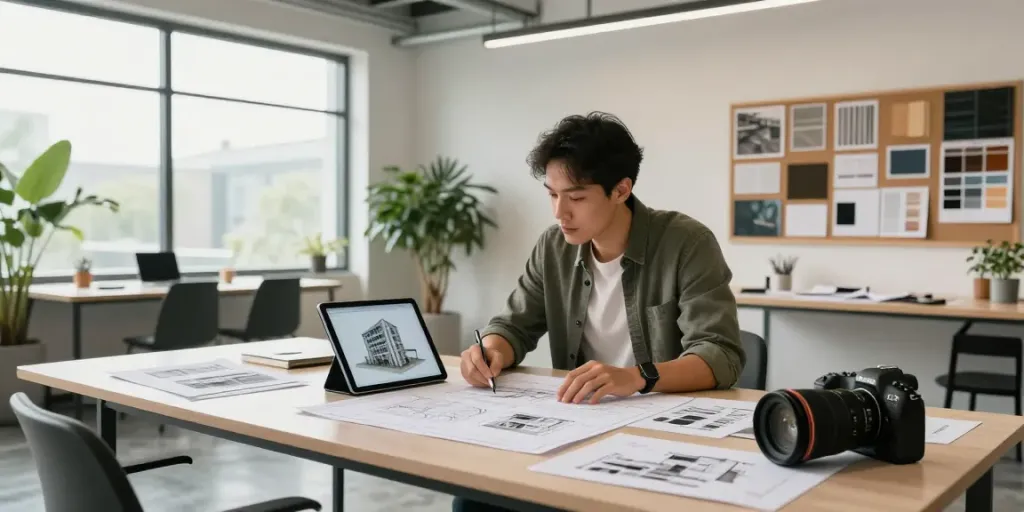
The Role of https://rokok88.net in Shaping Architectural Innovation
As we stride into 2026, the architectural landscape is set to be molded by a confluence of technology, sustainability, and client-driven designs. At the forefront of this evolution is https://rokok88.net, a platform that not only showcases innovative design ideas but also plays a pivotal role in influencing architectural trends. By integrating modern aesthetics with advanced building practices, it serves as a beacon for architects and designers striving to push the boundaries of creativity and functionality.
Overview of Architectural Trends in 2026
In 2026, architectural trends are gravitating towards a blend of high-tech solutions and eco-conscious designs. Notable trends include:
- Biophilic design: This approach emphasizes the connection between nature and architecture, allowing for abundant natural light, greenery, and organic forms.
- Adaptive reuse: Retrofitting old structures into new spaces is becoming prominent, enhancing sustainability while preserving historical value.
- Smart buildings: Integration of IoT and AI in building design facilitates energy efficiency and occupant comfort.
How https://rokok88.net Influences Design Community
The influence of https://rokok88.net extends beyond mere inspiration; it actively shapes community dialogues through forums and expert discussions. By featuring case studies from leading architects, the platform fosters collaboration and idea exchange that drives innovation.
Key Innovations Emerging from https://rokok88.net
Among the most significant innovations highlighted by https://rokok88.net are:
- 3D-printed structures: Pioneering the use of technology for rapid, sustainable building solutions.
- Energy-generating facades: Innovations that integrate solar panels seamlessly into building designs for renewable energy.
- Sustainable materials: The development of eco-friendly alternatives to traditional building materials, promoting environmental responsibility.
Integrating Sustainability with Modern Design
Understanding Sustainable Practices in Architecture
Sustainability in architecture is no longer a trend but a necessity. Modern practices include using recyclable materials, minimizing waste during construction, and designing buildings for energy efficiency. Architects now prioritize longevity and environmental impact when creating structures.
Benefits of Green Building Solutions
Green building solutions not only contribute to environmental preservation but also offer numerous benefits, such as:
- Cost savings: Reduced energy consumption leads to lower utility bills.
- Enhanced occupant health: Improved air quality and natural lighting positively impact the well-being of building occupants.
- Increased property value: Sustainable buildings often command higher market values due to increasing consumer demand for eco-friendly options.
Examples of Sustainable Projects from https://rokok88.net
Projects featured on https://rokok88.net exemplify how sustainability can be elegantly integrated into design. These include:
- The Green Wave Pavilion: A community space constructed with recycled materials and designed to harness renewable energy.
- Eco-Urban Housing: A residential project that utilizes vertical gardens to enhance biodiversity while providing residents with fresh produce.
- Passive House Designs: Structures built to minimize energy use, featuring enhanced insulation and strategic window placement.
The Impact of Technology on Architectural Design
Emerging Technologies Shaping Architecture
Advancements in technology are revolutionizing architectural practices. Key technologies influencing modern design include:
- BIM (Building Information Modeling): This enables architects to visualize and simulate the construction process, improving efficiency and reducing errors.
- Augmented Reality (AR): AR allows clients to experience designs in an immersive environment before construction begins.
- Virtual Reality (VR): Used for walkthroughs and presentations, enhancing client engagement and feedback.
Case Studies of Technological Advancements in Design
Successful case studies demonstrate how technology enhances architectural design. For instance, the use of BIM in the Sky Tower Project streamlined the design process, allowing for real-time collaboration among architects, engineers, and clients, resulting in a 20% decrease in project completion time.
The Future of Smart Homes and Buildings
As we approach 2026, the concept of smart homes is becoming mainstream. Innovations such as integrated home automation systems that control lighting, climate, and security will redefine residential living. Buildings equipped with AI-driven management systems provide real-time data for optimizing energy efficiency.
Understanding Client Needs and Personalization
Importance of Client-Centric Design Approaches
In an increasingly competitive market, understanding and addressing client needs are paramount. Architects must engage with clients from the initial phases, ensuring that their visions align with practical building solutions.
Techniques for Collaborative Design Processes
To foster collaboration, techniques such as design charrettes, where stakeholders participate in brainstorming sessions, have proven successful. This equips architects to better grasp client needs and tailor solutions accordingly.
Success Stories from Clients at https://rokok88.net
Success stories shared on https://rokok88.net highlight how personalized designs can lead to exceptional outcomes. One notable example is the collaborative effort with a family to create an energy-efficient home that met their aesthetic desires while adhering to budget constraints.
Preparing for Future Challenges in Architecture
Identifying Common Industry Challenges in 2026
As architects look to the future, several challenges persist, including:
- Balancing cost and quality: The need for affordable materials without sacrificing design integrity.
- Regulatory hurdles: Adapting to ever-evolving building codes and sustainability regulations.
- Workforce shortages: A growing gap in skilled labor poses risks to the timely completion of projects.
Strategies for Overcoming Design Obstacles
To tackle these challenges effectively, firms have started implementing agile project management strategies. Adopting technology-driven solutions can enhance productivity while maintaining high-quality standards.
Expert Insights and Predictions for the Next Decade
Experts predict that architecture will increasingly focus on resilience and adaptability in design. As climate change and urbanization continue to pose challenges, architects must prioritize creating spaces that can evolve over time, ensuring longevity and sustainability.
What are the latest architectural trends to watch in 2026?
As discussed, trends such as biophilic design, adaptive reuse, and smart technologies are shaping the architectural framework of 2026, encouraging the use of sustainable materials and practices that respond to environmental challenges.
How does technology influence modern architectural practices?
Technology facilitates a more collaborative and efficient design process. Tools like BIM and AR allow for enhanced visualization, reducing errors and improving project outcomes.
What are the benefits of sustainable architecture?
Sustainable architecture offers cost savings, health benefits for occupants, and a positive impact on property value, essential for adapting to evolving market demands.
How can architects effectively meet client needs?
By engaging clients throughout the design process and using collaborative techniques, architects can ensure that projects meet both aesthetic and functional requirements.
What role does https://rokok88.net play in architectural innovation?
https://rokok88.net serves as a critical resource for architects, providing insights, forums, and inspiration necessary to drive innovation and sustainability in architectural practices.